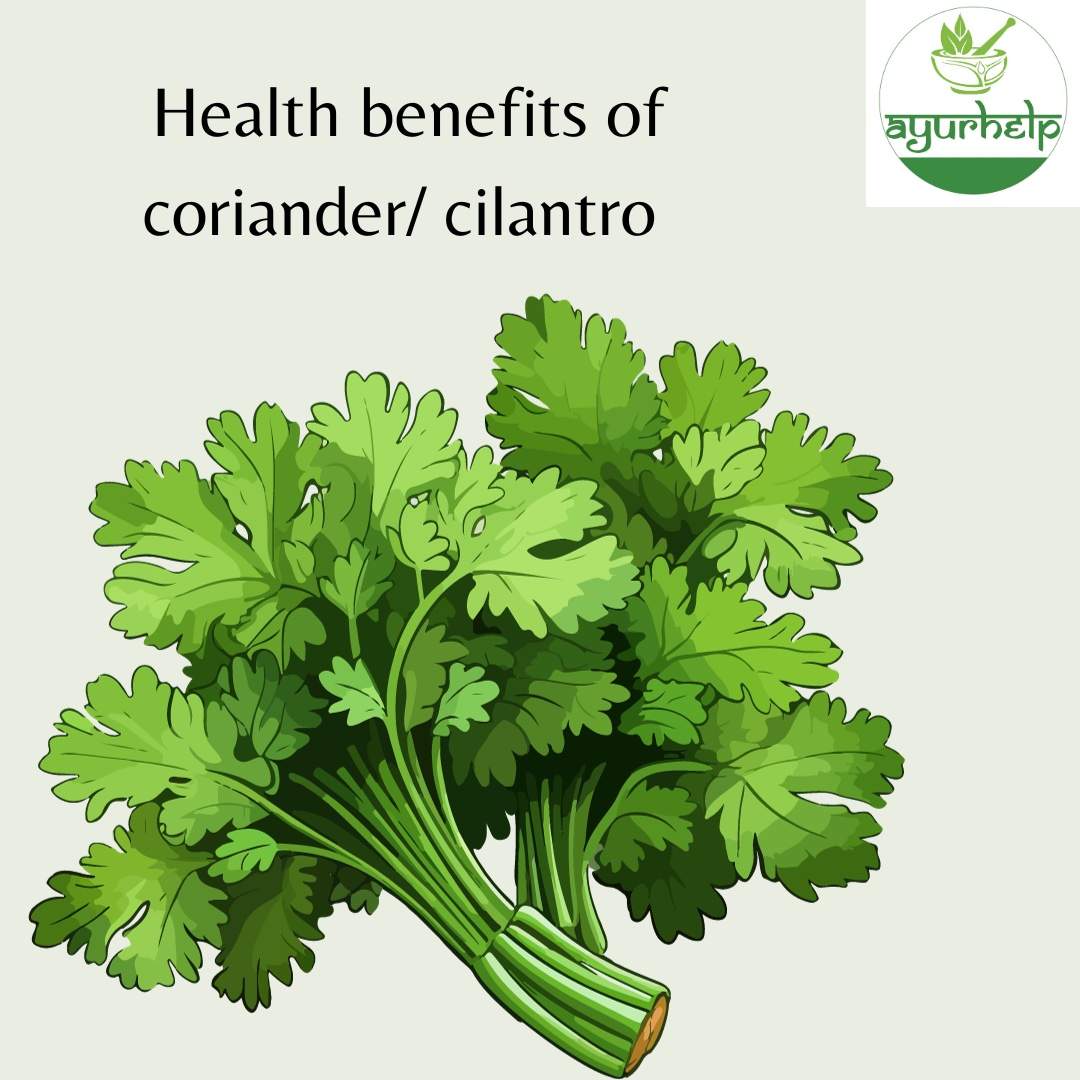
Coriander, often referred to as cilantro in some regions, is a versatile herb revered for its distinct flavor and aroma. Native to the Mediterranean and parts of southwestern Asia, this plant has been a staple in culinary traditions for thousands of years. Both its leaves and seeds are used in various dishes, offering a unique combination of citrusy, nutty, and spicy undertones. Beyond the kitchen, it’s also cherished for its medicinal properties, having been historically utilized to alleviate digestive issues, lower blood sugar, and combat inflammation. Rich in antioxidants and essential vitamins, it not only adds flavor to meals but also confers health benefits. This aromatic herb seamlessly blends with numerous cuisines around the world, showcasing its adaptability and widespread appeal.
Coriander/ cilantro plant structure
Ayurveda medicinal properties of cilantro or coriander
Health Benefits of coriander or cilantro
- Slows down fatty liver progression
- Helps in weight management
- Aids in blood sugar management
- Improves insulin sensitivity and helps in weight loss in PCOS
- Helps to keep the skin young and glowing
Who can not use cilantro or coriander ?
Coriander/ cilantro plant structure
The coriander plant, known by the Latin name Coriandrum sativum, is an annual herb in the Apiaceae family. It stands between 20 to 60 cm tall and possesses slender, branched stems. The plant has two types of leaves: the lower ones are broad, lobed, and resemble parsley, while the upper ones are finely divided and feathery. As it matures, the coriander plant produces small, pinkish-white or pale violet flowers, grouped in umbrella-shaped clusters called umbels. These flowers give way to the fruit, which, when dried, is commonly referred to as a coriander seed. The seed is a spherical, ridged, and yellowish-brown in color. While the fresh leaves are popularly used as a herb in various cuisines, the seeds are ground into a spice. Both parts of the plant offer distinctive flavors and are widely cherished in culinary traditions globally.
Ayurveda medicinal properties of cilantro or coriander
In Ayurveda, an ancient system of medicine that originates from India, coriander is highly esteemed for its therapeutic properties. In Ayurveda, coriander is commonly referred to as “Dhanyaka”.Here’s a breakdown of the Ayurvedic attributes of coriander:
Related Articles