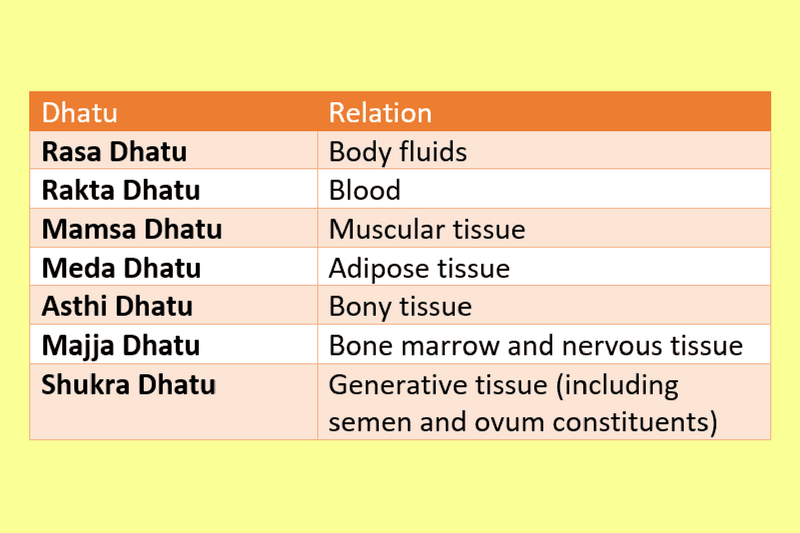
In Ayurveda, Dhatus are important body tissues and are 7 in number (saptha dhatu). These support normal functions of the body. Functions of dhatus are controlled by tridosha or three body energetic forces (Vata dosha, Pitta dosha, and Kapha dosha). Hence saptha dhatus get imbalanced when there is an imbalance in doshas. To keep these vital tissues healthy, we must follow appropriate dinacharya (ayurvedic daily routine) and Ritucharya (ayurvedic seasonal routine).
The word “dhatu” means the one which holds the physical structure and physiological functions of the body together. Its root word is “dhru”. There are several definitions for dhatu in Ayurveda. A few of them are given below.
“Shareera dharanathdhatawaha” – The tissues which nourish the body and support it are called dhatus.
“Poshanadharanayoho” – Those which nourish the successive tissue and support it.
“Dadhati datteya vaa shareera manaha praanaan” – these tissues nourish and support the body, mind, and life Dhatus are “Shakti yukta dravyas“. i.e they supply nutrients to other vital tissues and keep the body healthy. They nourish and support the successive tissues.
The Seven Dhatus or body tissues according to ayurveda are
#1 Rasa dhatu- Lymph –
“Rasa Dhatu” is a fundamental concept in Ayurveda. Translated as the “essence” or “juice,” Rasa Dhatu is the first of the seven dhatus (tissue layers) in the human body. It’s closely associated with the body’s plasma and encompasses the nutrients derived from digested food. As the primary source of nourishment for all cells and tissues, it plays a pivotal role in sustaining life, vitality, and overall health.
#2 Rakta dhatu – Blood :
“Rakta Dhatu” is a fundamental concept in Ayurveda, the ancient Indian system of medicine. In Sanskrit, “Rakta” means blood and “Dhatu” refers to tissue. Thus, Rakta Dhatu essentially pertains to the body’s blood tissue. It plays a pivotal role in nourishing the body, ensuring vitality, and maintaining life. Beyond its physiological functions, Rakta Dhatu is believed to carry the essence of life, supporting overall growth and development. Imbalances in Rakta Dhatu can lead to various ailments.
#3 Mamsa dhatu- Muscles
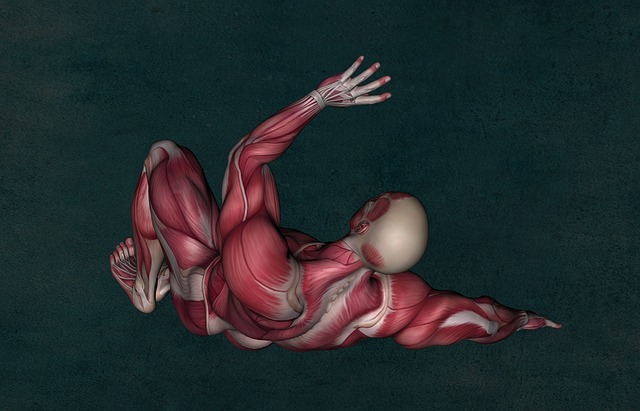
“Mamsa Dhatu” refers to one of the seven primary tissues or “dhatus” in Ayurvedic medicine, which is the traditional healing system of India. In Sanskrit, “mamsa” means muscle. As such, mamsa dhatu corresponds to the muscle tissue in the human body. A well-balanced mamsa dhatu is evident in individuals with strong, well-formed muscles, a robust physique, and stamina. In Ayurveda, the health and functionality of each dhatu are crucial for overall well-being. Imbalances in mamsa dhatu can lead to muscular disorders, fatigue, and related ailments. Proper nutrition, exercise, and Ayurvedic practices can nurture and maintain its health, ensuring physical strength and endurance.
#4 Meda Dhatu
“Meda Dhatu” is a concept from Ayurveda, the ancient Indian system of medicine and well-being. In Ayurveda, the body is believed to be made up of seven fundamental tissues, or “dhatus,” each responsible for specific physiological functions. “Meda” refers to the adipose tissue or body fat, which acts as a storage for energy. A balance in Meda Dhatu ensures proper lubrication and nourishment for the body, while an imbalance can lead to obesity or excessive leanness. Just like other dhatus, maintaining Meda Dhatu’s harmony is essential for overall health. It is influenced by diet, lifestyle, and individual constitution (Prakriti). Proper understanding and management of Meda Dhatu is key to maintaining one’s optimal health and vitality.
#5 Asthi dhatu – Bone –
“Asthi Dhatu” is a Sanskrit term that translates to “bone tissue” in English. In Ayurveda, the ancient Indian system of medicine, the human body is believed to be composed of seven primary tissues or “Dhatus.” Asthi Dhatu is one of these seven tissues, representing the skeletal system, including bones and teeth. Ayurveda emphasizes the significance of balance in these tissues for optimal health. An imbalance in Asthi Dhatu can lead to bone-related issues, such as osteoporosis or brittle teeth. Proper nutrition, including the intake of calcium and minerals, and a balanced lifestyle, are essential to maintain the health and integrity of Asthi Dhatu.
#6 Majja dhatu –
“Majja Dhatu” is a concept derived from the ancient Ayurvedic system of medicine, a holistic healing modality from India. In Ayurveda, the body is believed to be composed of seven primary tissues or “dhatus”, and Majja Dhatu represents the bone marrow and nervous system tissue. It plays a crucial role in producing bone marrow and filling the bones, ensuring their strength and vitality. An imbalance in Majja Dhatu can manifest as bone disorders, neurological issues, or psychological conditions like anxiety or depression. Proper nourishment, balanced lifestyle, and specific herbal treatments are recommended to maintain or restore the balance of Majja Dhatu in the body.
#7 Shukra dhatu-
“<a href="https://ayurhelp.com/shukra-dhatu-semen/" dat
Related Articles